The computational heart of EIC
A liquid-cooled AIENArtificial intelligenceՀԱՅԱրհեստական բանականությունMachine systems that learn from data. On this campus, compute proposes candidates; laboratories decide what is physically real. and scientific supercomputing infrastructure designed to turn computation into physical discovery.
Phase 1 configuration is an engineering visualization basis. Final equipment quantities are subject to procurement, power, financing and vendor design.
Phase 1, as a machine
Measured planning plan — not an issued drawing. Hover a zone for the section sketch. Click to pin it. Dimensions in metres, areas in square metres.

Planning geometry for visualization. Not an issued architectural drawing. NVL72ENNVIDIA GB300 NVL72 rackՀԱՅNVIDIA GB300 NVL72 դարակOne liquid-cooled rack: 72 Blackwell Ultra GPUs and 36 Grace CPUs, linked as a single NVLink domain. This is NVIDIA’s scale-up building block — not the whole factory.Open official source shown at 1.2 × 1.2 m footprint, 2.3 m high, 1.5 m service aisle.
What the factory is made of
Compute
32 NVIDIA GB300 NVL72ENNVIDIA GB300 NVL72 rackՀԱՅNVIDIA GB300 NVL72 դարակOne liquid-cooled rack: 72 Blackwell Ultra GPUs and 36 Grace CPUs, linked as a single NVLink domain. This is NVIDIA’s scale-up building block — not the whole factory.Open official source racks. 2,304 Blackwell Ultra GPUsENGraphics processing unitsՀԱՅԳրաֆիկական պրոցեսորներNVIDIA Blackwell Ultra accelerators. 72 per rack, 576 per hall, 2,304 in Phase 1.Open official source. 1,152 Grace CPUsENCentral processing unitsՀԱՅԿենտրոնական պրոցեսորներNVIDIA Grace Arm CPUs — 36 per NVL72 rack, 1,152 in Phase 1.Open official source. 576 compute trays. Direct liquid cooling. One NVLinkENNVIDIA GPU interconnectՀԱՅNVIDIA GPU միջկապHigh-bandwidth scale-up fabric inside a rack. In this design, NVLink stays at 72 GPUs. Racks talk to each other over Ethernet (Spectrum-X), not NVLink.Open official source domain per rack (72 GPUsENGraphics processing unitsՀԱՅԳրաֆիկական պրոցեսորներNVIDIA Blackwell Ultra accelerators. 72 per rack, 576 per hall, 2,304 in Phase 1.Open official source).
Data
Hot NVMeENNon-Volatile Memory ExpressՀԱՅԱրագ ֆլեշ հիշողության միջերեսFast flash used as hot training and checkpoint storage, on an RDMA-capable parallel file system.Open official source for training and checkpoints, object storage for laboratory output, archive for long-term research. Capacity to be sized by workload.
Energy
~6 MWENMegawattՀԱՅՄեգավատOne million watts. Used here for IT and facility electrical demand, and for cited plant ratings. ITENInformation technology loadՀԱՅՏեղեկատվական տեխնոլոգիաների բեռ~6 MW is the IT design capacity (compute, storage, network). Facility demand is higher: cooling, transformation losses, building — ~7–7.5 MW illustrative. / ~7–7.5 MWENMegawattՀԱՅՄեգավատOne million watts. Used here for IT and facility electrical demand, and for cited plant ratings. facility from the Armenian grid. MetsamorENArmenian Nuclear Power PlantՀԱՅՄեծամորի ատոմային էլեկտրակայանOperating nuclear plant 30–36 km west of Yerevan. 416 MWe operable (WNA, July 2026). Planned to run through a 2036 life extension while an SMR replacement is selected and built.Open official source Unit 2 (416 MWeENMegawatt electricՀԱՅՄեգավատ էլեկտրականElectrical output of a generator or plant, as distinct from thermal megawatts produced in the reactor. operable, WNAENWorld Nuclear AssociationՀԱՅՀամաշխարհային միջուկային ասոցիացիաIndustry reference used for Armenia’s operable nuclear capacity and country profile. Cited as a public source, not an EIC study.Open official source July 2026) is the nuclear share of that grid now. A future imported SMRENSmall modular reactorՀԱՅՓոքր մոդուլային ռեակտորFactory-built nuclear units, typically tens to a few hundred megawatts. Armenia chose an SMR as Metsamor’s replacement type in October 2025; the vendor is not selected.Open official source is planned as the national replacement in the 2030s — not inside the factory fence.
Thermal
GPUENGraphics processing unitՀԱՅԳրաֆիկական պրոցեսորHere: NVIDIA Blackwell Ultra accelerators. Phase 1 design basis is 2,304 of them, 72 per NVL72 rack.Open official source cold plate → rack manifold → technology loop → CDUENCoolant distribution unitՀԱՅՀովացուցիչի բաշխման միավորJoins the facility water loop to the technology cooling loop that feeds GPU cold plates. OCP-class units are often rated around 2 MW thermal each.Open official source → facility water → heat rejection. Optional heat reuse. Not a row of residential CRACENComputer room air conditionerՀԱՅՀամակարգչային սենյակի օդորակիչComfort-cooling air handlers. This factory is liquid-cooled at the GPU; CRAC is not the thermal design. units.
This is not a data center. This is the computational engine of Euphoria Intelligence City.
National nuclear · public record
Power now: MetsamorENArmenian Nuclear Power PlantՀԱՅՄեծամորի ատոմային էլեկտրակայանOperating nuclear plant 30–36 km west of Yerevan. 416 MWe operable (WNA, July 2026). Planned to run through a 2036 life extension while an SMR replacement is selected and built.Open official source. Later: an imported SMRENSmall modular reactorՀԱՅՓոքր մոդուլային ռեակտորFactory-built nuclear units, typically tens to a few hundred megawatts. Armenia chose an SMR as Metsamor’s replacement type in October 2025; the vendor is not selected.Open official source.
The AI FactoryENCampus supercomputing plantՀԱՅԱրհեստական բանականության գործարանPhase 1 liquid-cooled AI and scientific compute: 32 GB300 NVL72 racks on the Armenian grid. Not a colocation hall.Open on this site draws from the Armenian grid. MetsamorENArmenian Nuclear Power PlantՀԱՅՄեծամորի ատոմային էլեկտրակայանOperating nuclear plant 30–36 km west of Yerevan. 416 MWe operable (WNA, July 2026). Planned to run through a 2036 life extension while an SMR replacement is selected and built.Open official source is the country’s operating nuclear plant and the Phase 1 planning source for firm low-carbon megawatts. A future SMRENSmall modular reactorՀԱՅՓոքր մոդուլային ռեակտորFactory-built nuclear units, typically tens to a few hundred megawatts. Armenia chose an SMR as Metsamor’s replacement type in October 2025; the vendor is not selected.Open official source is a national replacement for MetsamorENArmenian Nuclear Power PlantՀԱՅՄեծամորի ատոմային էլեկտրակայանOperating nuclear plant 30–36 km west of Yerevan. 416 MWe operable (WNA, July 2026). Planned to run through a 2036 life extension while an SMR replacement is selected and built.Open official source, sized for Armenia’s electricity system (hundreds of megawatts), not for the factory’s 6–7.5 MWENMegawattՀԱՅՄեգավատOne million watts. Used here for IT and facility electrical demand, and for cited plant ratings.. Neither plant is inside the Phase 1 $140–280M factory envelope.
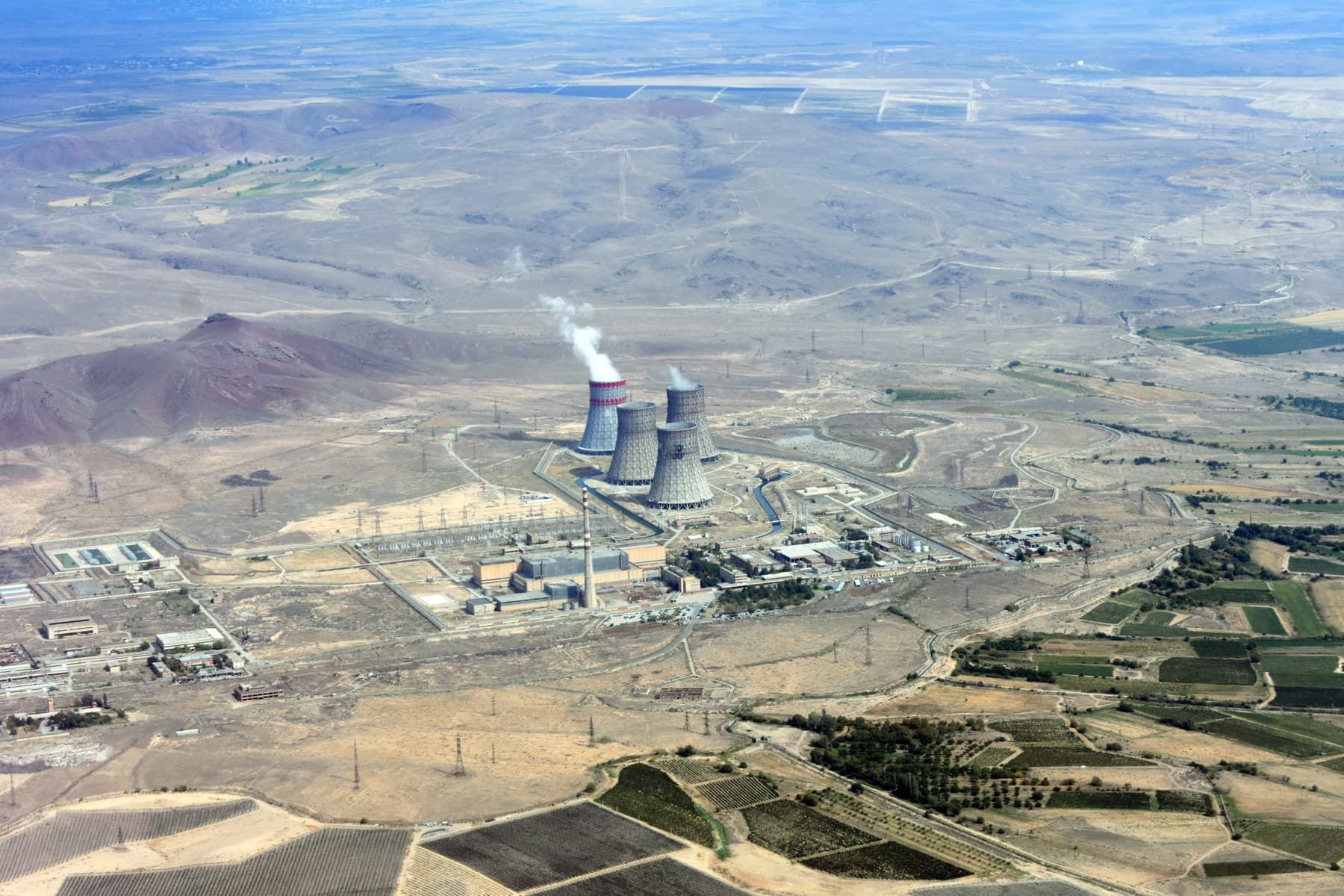
Armenian Nuclear Power PlantENArmenian Nuclear Power PlantՀԱՅՀայկական ատոմային էլեկտրակայանOfficial name of Metsamor. One VVER-440 unit operating; Unit 1 shut since 1989.Open official source (MetsamorENArmenian Nuclear Power PlantՀԱՅՄեծամորի ատոմային էլեկտրակայանOperating nuclear plant 30–36 km west of Yerevan. 416 MWe operable (WNA, July 2026). Planned to run through a 2036 life extension while an SMR replacement is selected and built.Open official source / ANPPENArmenian Nuclear Power PlantՀԱՅՀայկական ատոմային էլեկտրակայանOfficial name of Metsamor. One VVER-440 unit operating; Unit 1 shut since 1989.Open official source)
Metsamor, Armavir Province — about 30–36 km west of Yerevan
- Operator
- Haykakan Atomayin Electrakayan CJSCENArmenian Nuclear Power PlantՀԱՅՀայկական ատոմային էլեկտրակայանOfficial name of Metsamor. One VVER-440 unit operating; Unit 1 shut since 1989.Open official source
- Reactor
- One operating VVERENWater-water energetic reactorՀԱՅՋուր-ջուր էներգետիկ ռեակտորSoviet/Russian pressurized-water design. Metsamor Unit 2 is a VVER-440 Model V-270, adapted for a seismic site.Open official source-440 Model V-270 (Unit 2). Unit 1 shut in 1989 and is being decommissioned.
- Operable now
- 416 MWeENMegawatt electricՀԱՅՄեգավատ էլեկտրականElectrical output of a generator or plant, as distinct from thermal megawatts produced in the reactor. (WNAENWorld Nuclear AssociationՀԱՅՀամաշխարհային միջուկային ասոցիացիաIndustry reference used for Armenia’s operable nuclear capacity and country profile. Cited as a public source, not an EIC study.Open official source, July 2026)
- Often-cited gross
- ~440 MWENMegawattՀԱՅՄեգավատOne million watts. Used here for IT and facility electrical demand, and for cited plant ratings. after 2021 uprate
- 2023 output
- 2.7 TWhENTerawatt-hourՀԱՅՏերավատ-ժամOne billion kilowatt-hours. Used for annual electricity generation. · 30% of 8.8 TWhENTerawatt-hourՀԱՅՏերավատ-ժամOne billion kilowatt-hours. Used for annual electricity generation. national generation
World Nuclear AssociationENWorld Nuclear AssociationՀԱՅՀամաշխարհային միջուկային ասոցիացիաIndustry reference used for Armenia’s operable nuclear capacity and country profile. Cited as a public source, not an EIC study.Open official source lists 416 MWeENMegawatt electricՀԱՅՄեգավատ էլեկտրականElectrical output of a generator or plant, as distinct from thermal megawatts produced in the reactor. operable (July 2026). After the 2021 turbine modernization, Armenian and secondary sources often cite about 440 MWENMegawattՀԱՅՄեգավատOne million watts. Used here for IT and facility electrical demand, and for cited plant ratings. gross. Original design was 407.5 MWeENMegawatt electricՀԱՅՄեգավատ էլեկտրականElectrical output of a generator or plant, as distinct from thermal megawatts produced in the reactor. gross / 376 MWeENMegawatt electricՀԱՅՄեգավատ էլեկտրականElectrical output of a generator or plant, as distinct from thermal megawatts produced in the reactor. net per unit.
IEAENInternational Energy AgencyՀԱՅՄիջազգային էներգետիկ գործակալությունSource for Armenia’s 2023 generation mix as relayed via the World Nuclear Association country profile.Open official source via World Nuclear AssociationENWorld Nuclear AssociationՀԱՅՀամաշխարհային միջուկային ասոցիացիաIndustry reference used for Armenia’s operable nuclear capacity and country profile. Cited as a public source, not an EIC study.Open official source: Armenia generated 8.8 TWhENTerawatt-hourՀԱՅՏերավատ-ժամOne billion kilowatt-hours. Used for annual electricity generation. in 2023, of which nuclear 2.7 TWhENTerawatt-hourՀԱՅՏերավատ-ժամOne billion kilowatt-hours. Used for annual electricity generation. (30%). Gas 42%, hydro 18%, solar 8%. Older citations of ~40% nuclear refer to earlier years (e.g. 2015).
What the factory actually draws
Capacity comparison against MetsamorENArmenian Nuclear Power PlantՀԱՅՄեծամորի ատոմային էլեկտրակայանOperating nuclear plant 30–36 km west of Yerevan. 416 MWe operable (WNA, July 2026). Planned to run through a 2036 life extension while an SMR replacement is selected and built.Open official source’s 416 MWeENMegawatt electricՀԱՅՄեգավատ էլեկտրականElectrical output of a generator or plant, as distinct from thermal megawatts produced in the reactor. operable rating. The factory does not need, and will not be given, a dedicated reactor.
Phase 1 ITENInformation technology loadՀԱՅՏեղեկատվական տեխնոլոգիաների բեռ~6 MW is the IT design capacity (compute, storage, network). Facility demand is higher: cooling, transformation losses, building — ~7–7.5 MW illustrative. design
~6 MWENMegawattՀԱՅՄեգավատOne million watts. Used here for IT and facility electrical demand, and for cited plant ratings.
~1.4% of 416 MWeENMegawatt electricՀԱՅՄեգավատ էլեկտրականElectrical output of a generator or plant, as distinct from thermal megawatts produced in the reactor. operable
Phase 1 facility demand
~7–7.5 MWENMegawattՀԱՅՄեգավատOne million watts. Used here for IT and facility electrical demand, and for cited plant ratings.
~1.8% of 416 MWeENMegawatt electricՀԱՅՄեգավատ էլեկտրականElectrical output of a generator or plant, as distinct from thermal megawatts produced in the reactor.
Halls E–H (later ITENInformation technology loadՀԱՅՏեղեկատվական տեխնոլոգիաների բեռ~6 MW is the IT design capacity (compute, storage, network). Facility demand is higher: cooling, transformation losses, building — ~7–7.5 MW illustrative.)
~12 MWENMegawattՀԱՅՄեգավատOne million watts. Used here for IT and facility electrical demand, and for cited plant ratings. ITENInformation technology loadՀԱՅՏեղեկատվական տեխնոլոգիաների բեռ~6 MW is the IT design capacity (compute, storage, network). Facility demand is higher: cooling, transformation losses, building — ~7–7.5 MW illustrative.
~2.9% of 416 MWeENMegawatt electricՀԱՅՄեգավատ էլեկտրականElectrical output of a generator or plant, as distinct from thermal megawatts produced in the reactor.
Full-campus AIENArtificial intelligenceՀԱՅԱրհեստական բանականությունMachine systems that learn from data. On this campus, compute proposes candidates; laboratories decide what is physically real. potential
100+ MWENMegawattՀԱՅՄեգավատOne million watts. Used here for IT and facility electrical demand, and for cited plant ratings.
~24% of 416 MWeENMegawatt electricՀԱՅՄեգավատ էլեկտրականElectrical output of a generator or plant, as distinct from thermal megawatts produced in the reactor. — still a grid customer, not a dedicated reactor
When Metsamor is replaced
In October 2025 the prime minister said Armenia’s next reactor would be a small modular reactorENSmall modular reactorՀԱՅՓոքր մոդուլային ռեակտորFactory-built nuclear units, typically tens to a few hundred megawatts. Armenia chose an SMR as Metsamor’s replacement type in October 2025; the vendor is not selected.Open official source (SMRENSmall modular reactorՀԱՅՓոքր մոդուլային ռեակտորFactory-built nuclear units, typically tens to a few hundred megawatts. Armenia chose an SMR as Metsamor’s replacement type in October 2025; the vendor is not selected.Open official source). That is a national energy decision, not an AI FactoryENCampus supercomputing plantՀԱՅԱրհեստական բանականության գործարանPhase 1 liquid-cooled AI and scientific compute: 32 GB300 NVL72 racks on the Armenian grid. Not a colocation hall.Open on this site purchase. As of March 2026 the government was evaluating proposals from the United States, Russia, France, China and South Korea. Technology selection is expected in 2026 or 2027. No vendor is contracted.
In February 2026 Armenia and the United States signed a 123 AgreementENUS civil nuclear cooperation agreementՀԱՅԱՄՆ խաղաղ միջուկային համագործակցության համաձայնագիրNamed for section 123 of the US Atomic Energy Act. Allows US firms to export nuclear technology and fuel if a US design is later chosen. Does not build a plant by itself.Open official source on peaceful nuclear cooperation, which allows US companies to export nuclear technology, fuel and services if a US design is later chosen. In May 2026 a US State Department FIRSTENFoundational Infrastructure for Responsible Use of SMR TechnologyՀԱՅSMR տեխնոլոգիայի պատասխանատու օգտագործման հիմնարար ենթակառուցվածքUS State Department programme. In May 2026 its Armenia study listed four US SMR designs as suitable to consider — not a construction award.Open official source pre-feasibility study (Sargent & LundyENUS nuclear engineering firmՀԱՅԱՄՆ միջուկային ճարտարագիտական ընկերությունAuthor of the May 2026 US FIRST pre-feasibility study on SMR options for Armenia.Open official source) found four US SMRENSmall modular reactorՀԱՅՓոքր մոդուլային ռեակտորFactory-built nuclear units, typically tens to a few hundred megawatts. Armenia chose an SMR as Metsamor’s replacement type in October 2025; the vendor is not selected.Open official source designs suitable for consideration in Armenia: NuScale Power Module, GE Hitachi BWRX-300, Westinghouse AP300, and X-energy Xe-100. A final position has not been formed. World Nuclear AssociationENWorld Nuclear AssociationՀԱՅՀամաշխարհային միջուկային ասոցիացիաIndustry reference used for Armenia’s operable nuclear capacity and country profile. Cited as a public source, not an EIC study.Open official source currently lists a proposed ‘Armenia 3’ unit of up to 300 MWeENMegawatt electricՀԱՅՄեգավատ էլեկտրականElectrical output of a generator or plant, as distinct from thermal megawatts produced in the reactor.. Armenian officials have said the replacement should provide equivalent national capacity — i.e. replace MetsamorENArmenian Nuclear Power PlantՀԱՅՄեծամորի ատոմային էլեկտրակայանOperating nuclear plant 30–36 km west of Yerevan. 416 MWe operable (WNA, July 2026). Planned to run through a 2036 life extension while an SMR replacement is selected and built.Open official source’s hundreds of megawatts for the country, not the AI FactoryENCampus supercomputing plantՀԱՅԱրհեստական բանականության գործարանPhase 1 liquid-cooled AI and scientific compute: 32 GB300 NVL72 racks on the Armenian grid. Not a colocation hall.Open on this site’s few megawatts.
1976 / 1980
Two VVERENWater-water energetic reactorՀԱՅՋուր-ջուր էներգետիկ ռեակտորSoviet/Russian pressurized-water design. Metsamor Unit 2 is a VVER-440 Model V-270, adapted for a seismic site.Open official source-440 units enter service
Unit 1 (1976) and Unit 2 (1980). Design life 30 years. Built for a seismic region (V-270).
1989
Both units shut after the Spitak earthquake
The plant itself continued through the 1988 quake without damage, then closed in 1989 on seismic-safety grounds.
1995
Unit 2 restarted
Restarted after the post-Soviet energy crisis. Unit 1 remains shut and is being decommissioned.
2021
Annealing, uprate, licence toward 2026
Reactor-vessel annealing and turbine work. Power increased (sources cite ~15–18% / about 440 MWENMegawattՀԱՅՄեգավատOne million watts. Used here for IT and facility electrical demand, and for cited plant ratings. gross). ANRAENArmenian Nuclear Regulatory AuthorityՀԱՅՀՀ միջուկային անվտանգության կարգավորող մարմինArmenia’s nuclear safety regulator. Cited for Metsamor licensing toward 2026 and the path to 2036.Open official source licence to September 2026, with a path to 2036.
December 2024
Second life-extension programme to 2036
Armenian–Russian commission and Rusatom ServiceENRosatom life-extension contractorՀԱՅՌոսատոմի շահագործման երկարաձգման կապալառուCited for Metsamor modernization work supporting operation through 2036.Open official source modernization contract to support operation through 2036. MetsamorENArmenian Nuclear Power PlantՀԱՅՄեծամորի ատոմային էլեկտրակայանOperating nuclear plant 30–36 km west of Yerevan. 416 MWe operable (WNA, July 2026). Planned to run through a 2036 life extension while an SMR replacement is selected and built.Open official source shut in April 2026 for a scheduled five-month outage for that work.
January 2024
New plant ‘within 8–10 years’
Officials said a replacement plant was planned on an 8–10 year horizon — implying first power in the early 2030s if that schedule holds, overlapping MetsamorENArmenian Nuclear Power PlantՀԱՅՄեծամորի ատոմային էլեկտրակայանOperating nuclear plant 30–36 km west of Yerevan. 416 MWe operable (WNA, July 2026). Planned to run through a 2036 life extension while an SMR replacement is selected and built.Open official source’s 2036 horizon.
October 2025
SMRENSmall modular reactorՀԱՅՓոքր մոդուլային ռեակտորFactory-built nuclear units, typically tens to a few hundred megawatts. Armenia chose an SMR as Metsamor’s replacement type in October 2025; the vendor is not selected.Open official source chosen as the next reactor type
Prime minister: the next unit will be a small modular reactorENSmall modular reactorՀԱՅՓոքր մոդուլային ռեակտորFactory-built nuclear units, typically tens to a few hundred megawatts. Armenia chose an SMR as Metsamor’s replacement type in October 2025; the vendor is not selected.Open official source. Not yet a signed EPCENEngineering, procurement and constructionՀԱՅՃարտարագիտություն, գնումներ և շինարարությունA turnkey plant contract. Armenia’s SMR choice is a reactor type, not yet a signed EPC. contract.
February 2026
US–Armenia 123 AgreementENUS civil nuclear cooperation agreementՀԱՅԱՄՆ խաղաղ միջուկային համագործակցության համաձայնագիրNamed for section 123 of the US Atomic Energy Act. Allows US firms to export nuclear technology and fuel if a US design is later chosen. Does not build a plant by itself.Open official source
Peaceful nuclear cooperation agreement. Enables US export of technology and fuel if a US design is selected. Does not by itself build a plant.
2026–2027
Technology selection window
Minister Khudatyan: model selection in 2026 or 2027. Ruling-party programme: clarify the new unit’s technology by end of 2027. MetsamorENArmenian Nuclear Power PlantՀԱՅՄեծամորի ատոմային էլեկտրակայանOperating nuclear plant 30–36 km west of Yerevan. 416 MWe operable (WNA, July 2026). Planned to run through a 2036 life extension while an SMR replacement is selected and built.Open official source Unit 2 remains the operating plant until a replacement is commissioned, with 2036 cited as the extended operating horizon.
2036
Planned end of MetsamorENArmenian Nuclear Power PlantՀԱՅՄեծամորի ատոմային էլեկտրակայանOperating nuclear plant 30–36 km west of Yerevan. 416 MWe operable (WNA, July 2026). Planned to run through a 2036 life extension while an SMR replacement is selected and built.Open official source Unit 2’s current extension
ARMENPRESS (2026): 2036 is described as the maximum physical operating period now established. World Nuclear AssociationENWorld Nuclear AssociationՀԱՅՀամաշխարհային միջուկային ասոցիացիաIndustry reference used for Armenia’s operable nuclear capacity and country profile. Cited as a public source, not an EIC study.Open official source notes Armenia has said MetsamorENArmenian Nuclear Power PlantՀԱՅՄեծամորի ատոմային էլեկտրակայանOperating nuclear plant 30–36 km west of Yerevan. 416 MWe operable (WNA, July 2026). Planned to run through a 2036 life extension while an SMR replacement is selected and built.Open official source stays until a replacement is commissioned. EICENEuphoria Intelligence CityՀԱՅԷյֆորիա ինտելիջենս սիթիThe 140-hectare flagship of Euphoria Group: city-scale infrastructure in Armenia for intelligence, science, energy and invention. planning assumes grid nuclear from MetsamorENArmenian Nuclear Power PlantՀԱՅՄեծամորի ատոմային էլեկտրակայանOperating nuclear plant 30–36 km west of Yerevan. 416 MWe operable (WNA, July 2026). Planned to run through a 2036 life extension while an SMR replacement is selected and built.Open official source through the 2030s, then from the SMRENSmall modular reactorՀԱՅՓոքր մոդուլային ռեակտորFactory-built nuclear units, typically tens to a few hundred megawatts. Armenia chose an SMR as Metsamor’s replacement type in October 2025; the vendor is not selected.Open official source that replaces it — not a private reactor on the campus.
US SMRENSmall modular reactorՀԱՅՓոքր մոդուլային ռեակտորFactory-built nuclear units, typically tens to a few hundred megawatts. Armenia chose an SMR as Metsamor’s replacement type in October 2025; the vendor is not selected.Open official source designs under study — not awarded
FIRSTENFoundational Infrastructure for Responsible Use of SMR TechnologyՀԱՅSMR տեխնոլոգիայի պատասխանատու օգտագործման հիմնարար ենթակառուցվածքUS State Department programme. In May 2026 its Armenia study listed four US SMR designs as suitable to consider — not a construction award.Open official source shortlist, May 2026. Russia, France, China and South Korea remain in the national competition. Images are vendor photography.
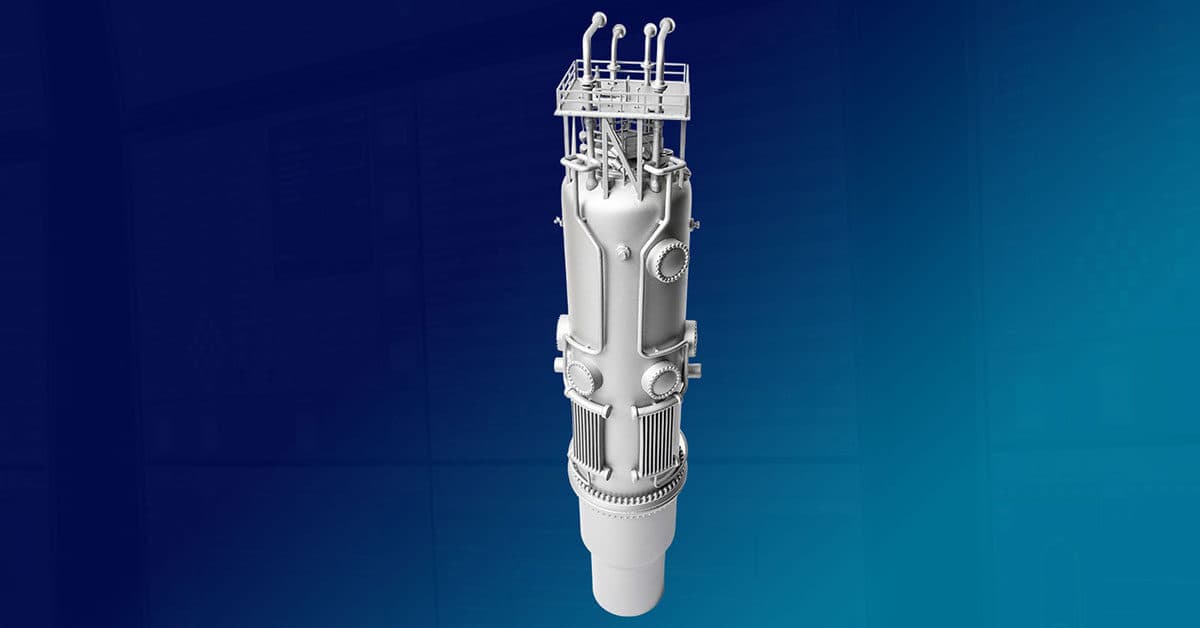 United States · 77 MWeENMegawatt electricՀԱՅՄեգավատ էլեկտրականElectrical output of a generator or plant, as distinct from thermal megawatts produced in the reactor. per moduleNuScale Power ModuleA six-module plant is about 462 MWeENMegawatt electricՀԱՅՄեգավատ էլեկտրականElectrical output of a generator or plant, as distinct from thermal megawatts produced in the reactor.
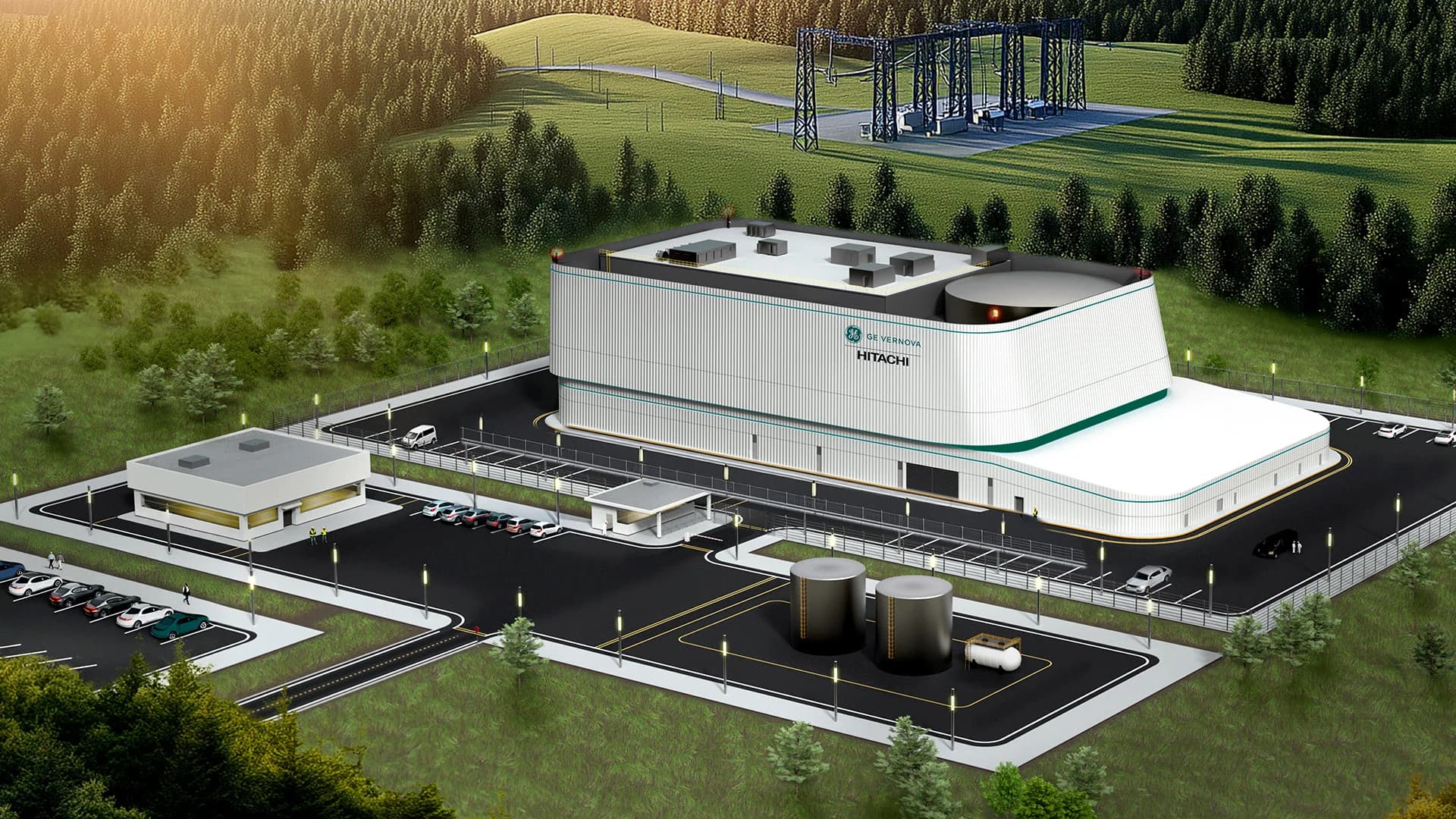 United States / Japan · 300 MWeENMegawatt electricՀԱՅՄեգավատ էլեկտրականElectrical output of a generator or plant, as distinct from thermal megawatts produced in the reactor. per unitGE Hitachi BWRX-300Single-unit SMRENSmall modular reactorՀԱՅՓոքր մոդուլային ռեակտորFactory-built nuclear units, typically tens to a few hundred megawatts. Armenia chose an SMR as Metsamor’s replacement type in October 2025; the vendor is not selected. in the same class as WNAENWorld Nuclear AssociationՀԱՅՀամաշխարհային միջուկային ասոցիացիաIndustry reference used for Armenia’s operable nuclear capacity and country profile. Cited as a public source, not an EIC study.’s ‘up to 300 MWeENMegawatt electricՀԱՅՄեգավատ էլեկտրականElectrical output of a generator or plant, as distinct from thermal megawatts produced in the reactor.’ placeholderUnited States · ~300 MWeENMegawatt electricՀԱՅՄեգավատ էլեկտրականElectrical output of a generator or plant, as distinct from thermal megawatts produced in the reactor.Westinghouse AP300Pressurized-water SMRENSmall modular reactorՀԱՅՓոքր մոդուլային ռեակտորFactory-built nuclear units, typically tens to a few hundred megawatts. Armenia chose an SMR as Metsamor’s replacement type in October 2025; the vendor is not selected.; on the FIRSTENFoundational Infrastructure for Responsible Use of SMR TechnologyՀԱՅSMR տեխնոլոգիայի պատասխանատու օգտագործման հիմնարար ենթակառուցվածքUS State Department programme. In May 2026 its Armenia study listed four US SMR designs as suitable to consider — not a construction award. shortlist, not selectedUnited States · 80 MWeENMegawatt electricՀԱՅՄեգավատ էլեկտրականElectrical output of a generator or plant, as distinct from thermal megawatts produced in the reactor. per unitX-energy Xe-100A four-unit plant is about 320 MWeENMegawatt electricՀԱՅՄեգավատ էլեկտրականElectrical output of a generator or plant, as distinct from thermal megawatts produced in the reactor.
Hardware models
Hover a card for the reading. Open the vendor page for the public specification. Phase 1 visualization basis is NVIDIA GB300 NVL72ENNVIDIA GB300 NVL72 rackՀԱՅNVIDIA GB300 NVL72 դարակOne liquid-cooled rack: 72 Blackwell Ultra GPUs and 36 Grace CPUs, linked as a single NVLink domain. This is NVIDIA’s scale-up building block — not the whole factory.Open official source. AMD HeliosENAMD Helios rack-scaleՀԱՅAMD Helios դարակային համակարգFuture alternate hall: 72 × Instinct MI455X, EPYC Venice, Pensando, UALink. Never mixed inside an NVIDIA NVL72 rack.Open official source is a future hall — never mixed inside the same rack.
Product photography from NVIDIA and AMD public pages. These are vendor references, not photographs of a built EIC plant.
 The Phase 1 compute brick. One NVLink domain of 72 GPUs. 8 racks make a hall; 32 racks make the factory. Liquid-cooled; not an air-cooled server cabinet.Rack-scale computeNVIDIA GB300 NVL7272 Blackwell Ultra GPUs · 36 Grace CPUs · 18 trays · 9 NVLink switch trays · up to ~142 kW · fully liquid cooledNVIDIA · Reference hardware specification
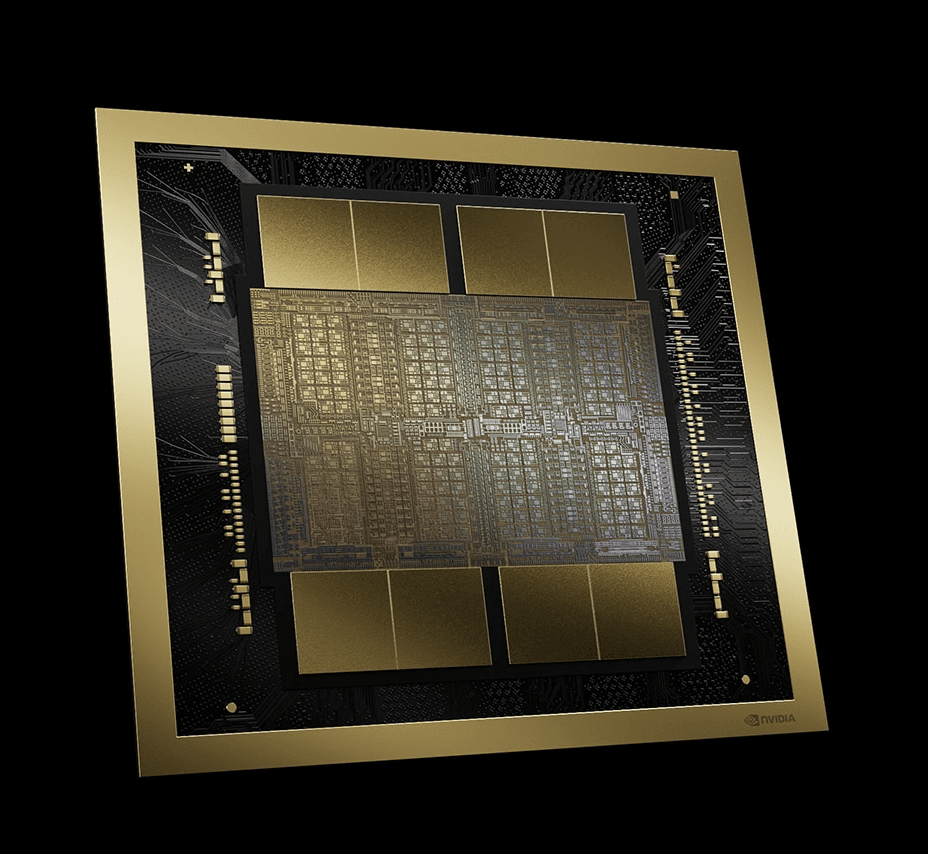 The accelerator in every compute tray. Architecture, HBM and NVLink figures are NVIDIA’s. EIC has not measured a production chip.GPUNVIDIA Blackwell UltraTensor computation · HBM · NVLink 5 up to 1,800 GB/s bidirectional per GPU (vendor documentation)NVIDIA · Reference hardware specification
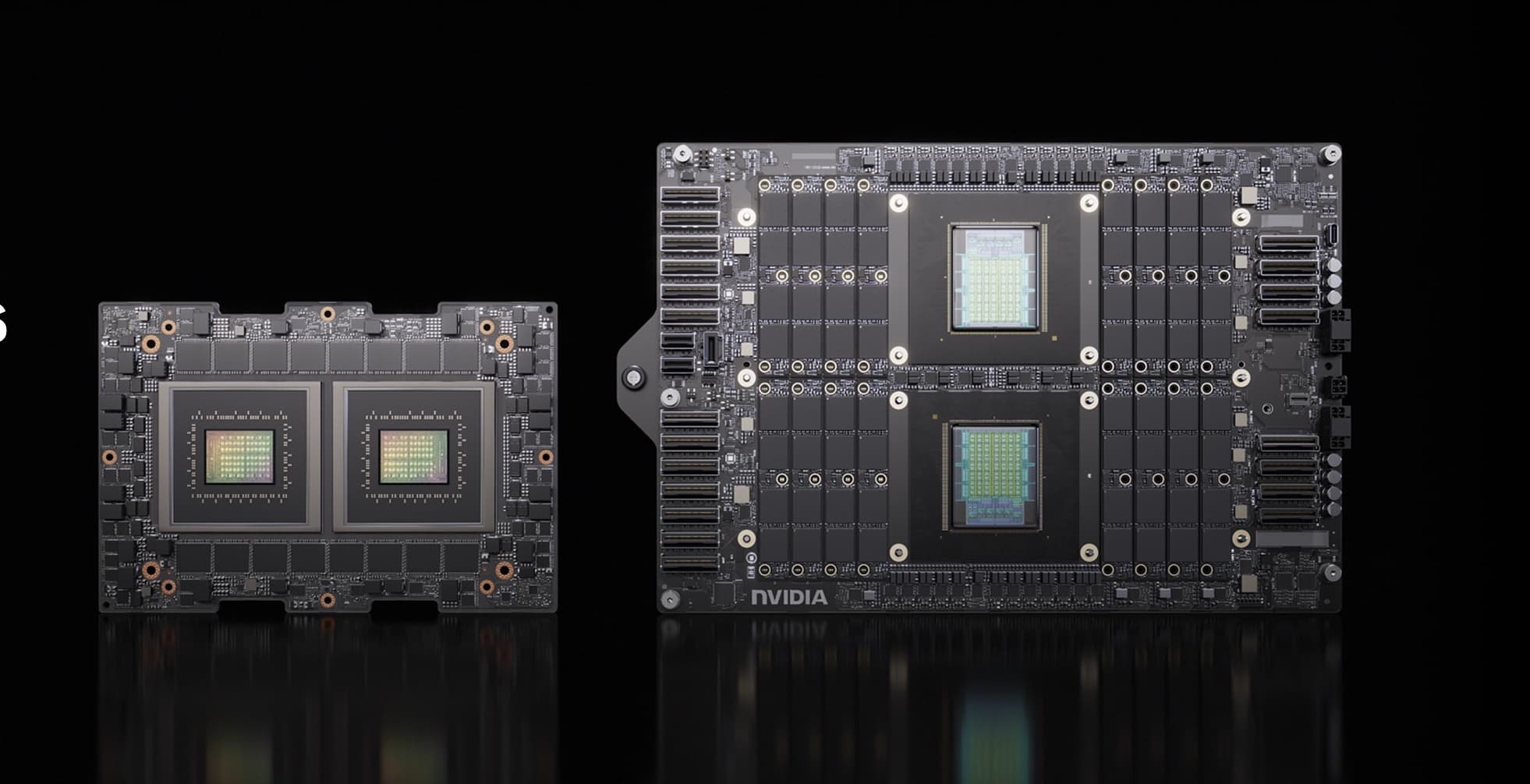 Grace sits beside Blackwell on the tray so CPU and GPU share coherent paths. 1,152 Grace CPUs in the Phase 1 design basis.CPU on each compute trayNVIDIA Grace CPU2 Grace CPUs per tray · 36 per rack · Arm Neoverse platformNVIDIA · Reference hardware specification
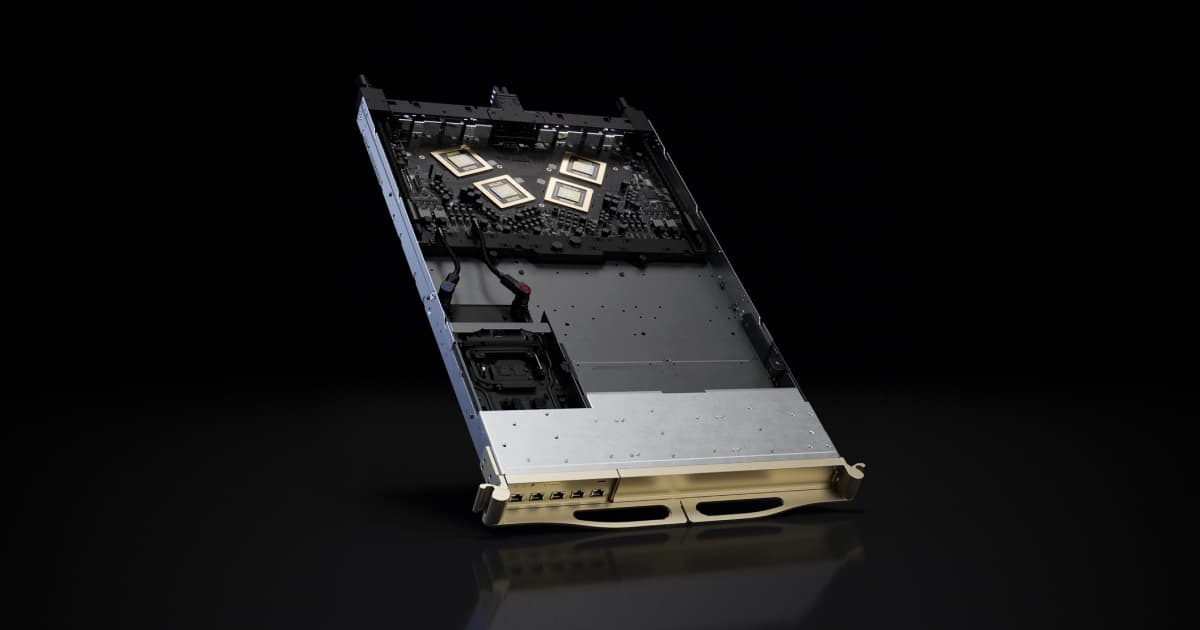 Copper and switch trays that make 72 GPUs one machine. Hall-to-hall traffic uses Spectrum-X, not NVLink.Scale-up inside the rackNVIDIA NVLink9 NVLink switch trays per NVL72 · 72-GPU domain · does not span hallsNVIDIA · Reference hardware specification
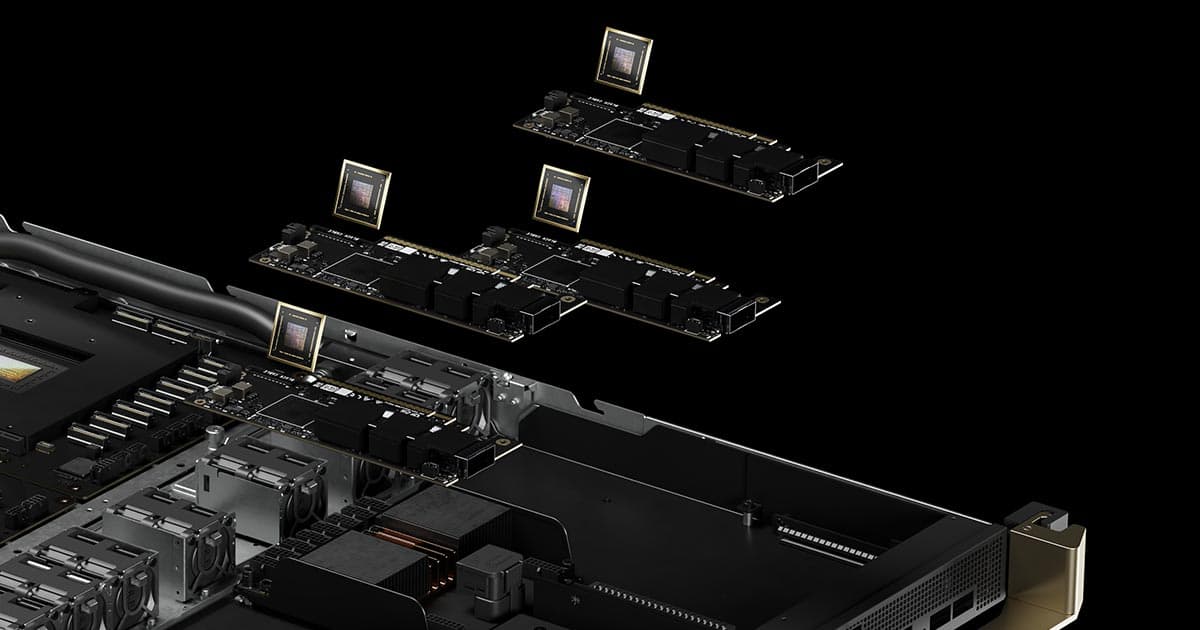 How a rack leaves its NVLink island. ConnectX-8 carries training traffic onto Spectrum-X Ethernet.Scale-out NICConnectX-8 SuperNICUp to 800 Gb/s · GPU compute fabric · RDMA / RoCE · PCIe Gen6NVIDIA · Reference hardware specification
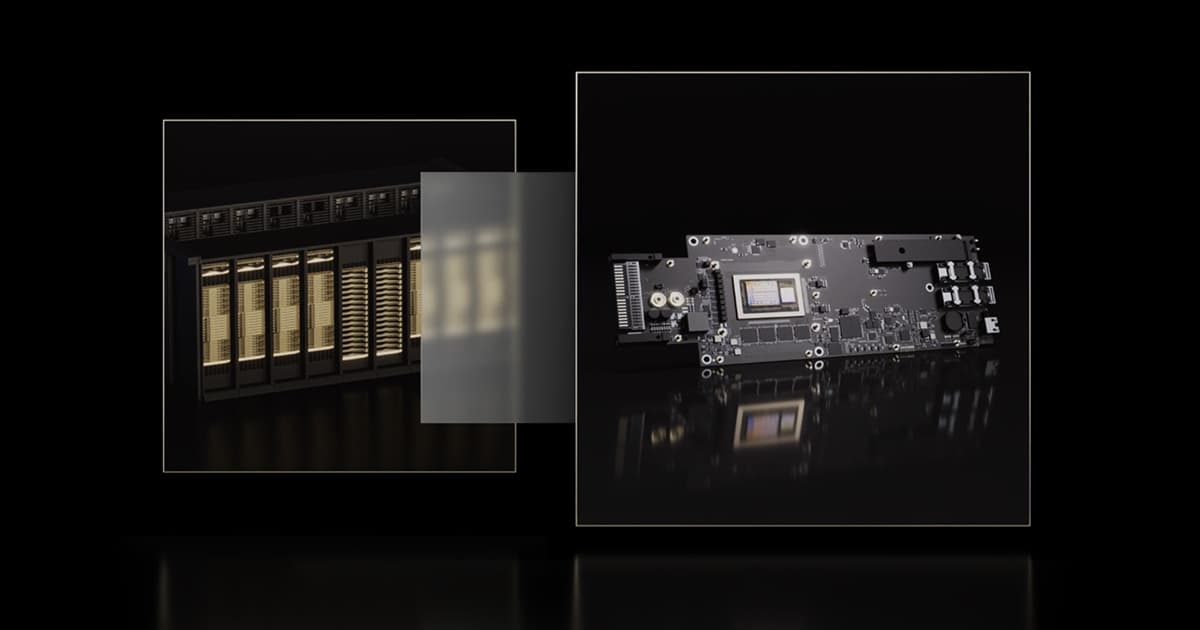 Offloads networking, storage and isolation from Grace. Separate from the GPU compute SuperNIC path.North/south and storageBlueField-3 DPUOne DPU per compute tray in NVIDIA’s GB300 reference architectureNVIDIA · Reference hardware specification
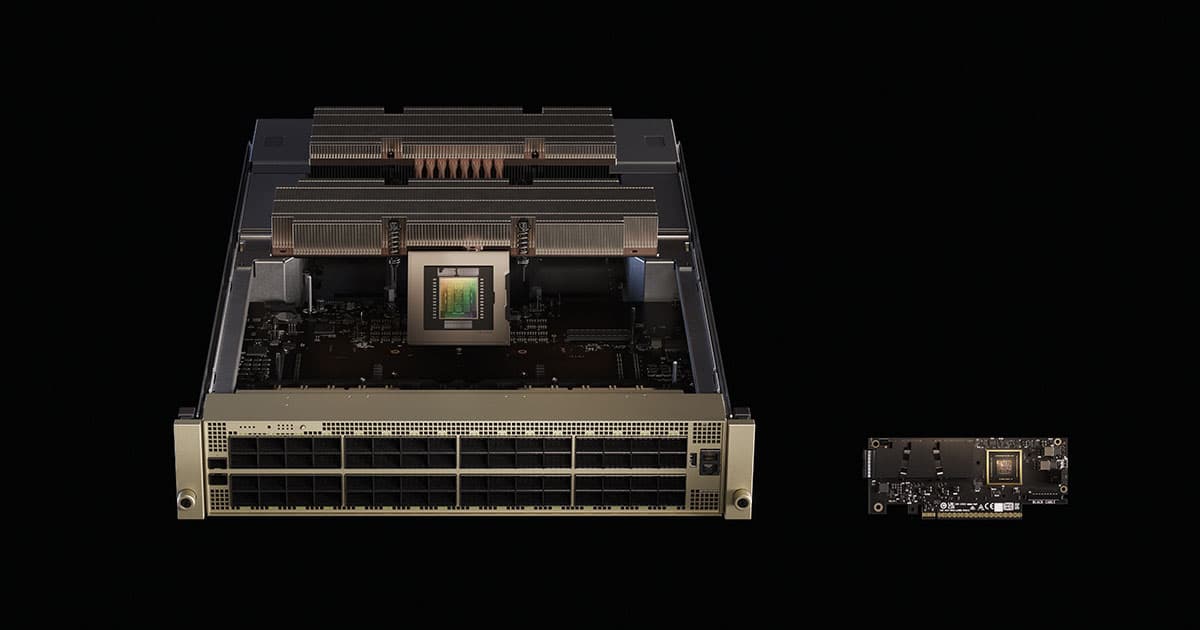 Congestion-controlled Ethernet for RDMA AI clusters. This is the scale-out fabric for 32 racks and four halls.Ethernet AI fabricSpectrum-XLeaf-spine GPU compute network, physically separate from managementNVIDIA · Reference hardware specification
 The intended control plane for rack health, firmware and job orchestration. Not a live NOC of a built Armenian plant.Operations softwareNVIDIA Mission ControlRecommended for GB300 NVL72 · Kubernetes and Slurm workloadsNVIDIA · Reference hardware specification
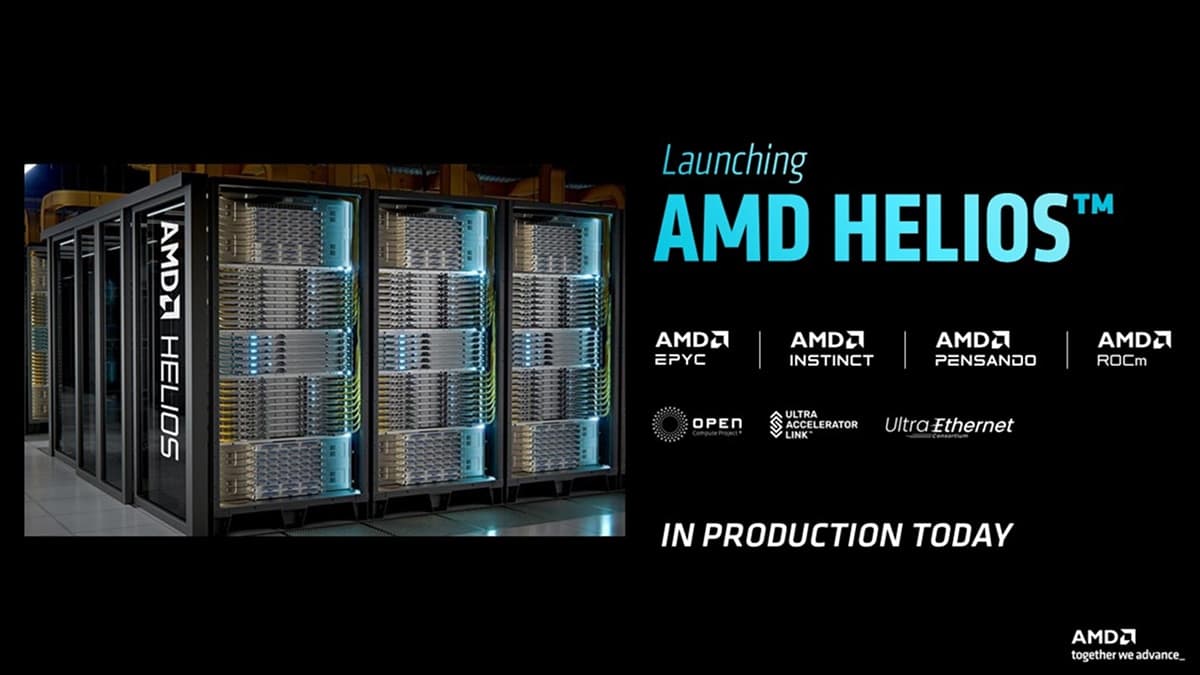 A compatible future hall, not a mixed NVIDIA/AMD rack. Shells E–H can take Helios without touching Halls A–D.Open alternate podAMD Helios (future hall)72 × MI455X · EPYC Venice · Pensando · UALink · Ultra Ethernet. Separate hall only.AMD · Reference hardware specification
- KubernetesContainer orchestrationCloud-native jobs. Physical NVLink domains are not arbitrarily subdivided because a YAML file asked.Supported on the GB300 NVL72 reference with Mission ControlReference hardware specification
- SlurmHPC batch schedulerFor laboratory and simulation queues that belong on a batch scheduler, not a container platform.Supported scientific workload plane on the GB300 referenceReference hardware specification
- CDU (OCP class)Coolant distributionThe machine that couples facility water to GPU cold plates. Planning sketch, not a purchased make and model.OCP-listed designs include ~2 MW thermal per unit. Four trains + redundancy is an illustration.EIC design basis
One NVL72, then the factory
8 racks make a hall. 4 halls make Phase 1. NVLinkENNVIDIA GPU interconnectՀԱՅNVIDIA GPU միջկապHigh-bandwidth scale-up fabric inside a rack. In this design, NVLink stays at 72 GPUs. Racks talk to each other over Ethernet (Spectrum-X), not NVLink.Open official source never leaves the rack.
NVIDIA GB300 NVL72 · vendor photography
NVIDIA GB300 NVL72| Item | Per rack | Phase 1 |
|---|---|---|
| Blackwell Ultra GPUsGPUThe accelerator in every compute tray. Architecture, HBM and NVLink figures are NVIDIA’s. EIC has not measured a production chip.Tensor computation · HBM · NVLink 5 up to 1,800 GB/s bidirectional per GPU (vendor documentation) | 72 | 2,304 |
| Grace CPUsCPU on each compute trayGrace sits beside Blackwell on the tray so CPU and GPU share coherent paths. 1,152 Grace CPUs in the Phase 1 design basis.2 Grace CPUs per tray · 36 per rack · Arm Neoverse platform | 36 | 1,152 |
| Compute traysRack-scale computeThe Phase 1 compute brick. One NVLink domain of 72 GPUs. 8 racks make a hall; 32 racks make the factory. Liquid-cooled; not an air-cooled server cabinet.72 Blackwell Ultra GPUs · 36 Grace CPUs · 18 trays · 9 NVLink switch trays · up to ~142 kW · fully liquid cooled | 18 | 576 |
| NVLink switch traysScale-up inside the rackCopper and switch trays that make 72 GPUs one machine. Hall-to-hall traffic uses Spectrum-X, not NVLink.9 NVLink switch trays per NVL72 · 72-GPU domain · does not span halls | 9 | 288 |
| Power shelves (33 kWENKilowattՀԱՅԿիլովատOne thousand watts. NVL72 power shelves are specified at 33 kW each.) | 8 | 256 |
| Out-of-band switches | 2 | 64 |
NVLinkENNVIDIA GPU interconnectՀԱՅNVIDIA GPU միջկապHigh-bandwidth scale-up fabric inside a rack. In this design, NVLink stays at 72 GPUs. Racks talk to each other over Ethernet (Spectrum-X), not NVLink.Open official source domain remains 72 GPUsENGraphics processing unitsՀԱՅԳրաֆիկական պրոցեսորներNVIDIA Blackwell Ultra accelerators. 72 per rack, 576 per hall, 2,304 in Phase 1.Open official source per NVL72ENNVIDIA GB300 NVL72 rackՀԱՅNVIDIA GB300 NVL72 դարակOne liquid-cooled rack: 72 Blackwell Ultra GPUs and 36 Grace CPUs, linked as a single NVLink domain. This is NVIDIA’s scale-up building block — not the whole factory.Open official source rack. Scale-out networking connects racks. 2,304 GPUsENGraphics processing unitsՀԱՅԳրաֆիկական պրոցեսորներNVIDIA Blackwell Ultra accelerators. 72 per rack, 576 per hall, 2,304 in Phase 1.Open official source work as a distributed compute system — not one NVLinkENNVIDIA GPU interconnectՀԱՅNVIDIA GPU միջկապHigh-bandwidth scale-up fabric inside a rack. In this design, NVLink stays at 72 GPUs. Racks talk to each other over Ethernet (Spectrum-X), not NVLink.Open official source domain.
Phase 1 planning envelope
$140–280M
Illustrative EICENEuphoria Intelligence CityՀԱՅԷյֆորիա ինտելիջենս սիթիThe 140-hectare flagship of Euphoria Group: city-scale infrastructure in Armenia for intelligence, science, energy and invention. planning band. Not a bid, not a contracted price, not a completed plant. Final figures follow procurement, power, financing and vendor design.
Compute — 32 × GB300 NVL72ENNVIDIA GB300 NVL72 rackՀԱՅNVIDIA GB300 NVL72 դարակOne liquid-cooled rack: 72 Blackwell Ultra GPUs and 36 Grace CPUs, linked as a single NVLink domain. This is NVIDIA’s scale-up building block — not the whole factory.Open official source
Industry reporting on GB200/GB300ENNVIDIA GB300 NVL72 rackՀԱՅNVIDIA GB300 NVL72 դարակOne liquid-cooled rack: 72 Blackwell Ultra GPUs and 36 Grace CPUs, linked as a single NVLink domain. This is NVIDIA’s scale-up building block — not the whole factory.Open official source-class rack-scale systems is often cited around $2–4M per rack. Not a vendor quotation.
$65–130M
Network — Spectrum-XENNVIDIA Spectrum-X Ethernet AI fabricՀԱՅNVIDIA Spectrum-X Ethernet ԱԲ գործվածքLeaf-spine Ethernet designed for RDMA AI traffic, congestion control and telemetry. This is how 32 racks become one training cluster.Open official source, optics, MMRENMeet-me room / network coreՀԱՅՀանդիպման սենյակ / ցանցային միջուկWhere campus fibre, hall fabrics and the three distinct networks meet: GPU compute, storage/converged, and isolated management.
Typically a substantial fraction of compute at this density.
$12–25M
Storage — hot / object / archive
Capacity not fixed. Workload-sized.
$8–20M
Cooling plant — CDUsENCoolant distribution unitՀԱՅՀովացուցիչի բաշխման միավորJoins the facility water loop to the technology cooling loop that feeds GPU cold plates. OCP-class units are often rated around 2 MW thermal each.Open official source, HXENHeat exchangerՀԱՅՋերմափոխանակիչTransfers heat between the technology cooling loop and facility water before rejection to atmosphere., rejection
High-density liquid cooling, N+1ENOne spare above the required countՀԱՅՊահանջվող քանակից մեկ պահեստայինIf four CDU trains are required, a fifth is the spare. An illustrative redundancy sketch, not a signed thermal design. sketch.
$12–22M
Power campus — substation to UPSENUninterruptible power supplyՀԱՅԱնխափան սնուցման սարքBridges the milliseconds between a grid disturbance and generator or BESS support so GPUs do not drop mid-job./BESSENBattery energy storage systemՀԱՅՄարտկոցային էներգիայի կուտակման համակարգSite-level batteries that ride through grid events with the UPS. Planning assumption for the power campus — not a purchased SKU.
On-site substation to UPSENUninterruptible power supplyՀԱՅԱնխափան սնուցման սարքBridges the milliseconds between a grid disturbance and generator or BESS support so GPUs do not drop mid-job./BESSENBattery energy storage systemՀԱՅՄարտկոցային էներգիայի կուտակման համակարգSite-level batteries that ride through grid events with the UPS. Planning assumption for the power campus — not a purchased SKU. for ~7–7.5 MWENMegawattՀԱՅՄեգավատOne million watts. Used here for IT and facility electrical demand, and for cited plant ratings.. MetsamorENArmenian Nuclear Power PlantՀԱՅՄեծամորի ատոմային էլեկտրակայանOperating nuclear plant 30–36 km west of Yerevan. 416 MWe operable (WNA, July 2026). Planned to run through a 2036 life extension while an SMR replacement is selected and built.Open official source and a future SMRENSmall modular reactorՀԱՅՓոքր մոդուլային ռեակտորFactory-built nuclear units, typically tens to a few hundred megawatts. Armenia chose an SMR as Metsamor’s replacement type in October 2025; the vendor is not selected.Open official source are national plants, not this line.
$15–28M
Building, halls, operations, site
Four halls, ops glass, MMRENMeet-me room / network coreՀԱՅՀանդիպման սենյակ / ցանցային միջուկWhere campus fibre, hall fabrics and the three distinct networks meet: GPU compute, storage/converged, and isolated management., landscaping, logistics.
$25–45M
Software, integration, commissioning
Mission ControlENNVIDIA Mission ControlՀԱՅNVIDIA Mission Control գործառնական ծրագրակազմIntended control plane for GB300 rack health, firmware and job orchestration. Not live telemetry of a built Armenian plant.Open official source, orchestration, acceptance.
$3–8M
Compute discovers possibilities.
Laboratories discover reality.
Health, bio, materials, robotics, earth and nutrition send models in and measurements back. The factory exists so laboratories can run physical experiments against computed candidates — not so Armenia can host another colocation hall.
Informed by NVIDIA GB300 NVL72ENNVIDIA GB300 NVL72 rackՀԱՅNVIDIA GB300 NVL72 դարակOne liquid-cooled rack: 72 Blackwell Ultra GPUs and 36 Grace CPUs, linked as a single NVLink domain. This is NVIDIA’s scale-up building block — not the whole factory.Open official source Enterprise Reference Architecture, Spectrum-XENNVIDIA Spectrum-X Ethernet AI fabricՀԱՅNVIDIA Spectrum-X Ethernet ԱԲ գործվածքLeaf-spine Ethernet designed for RDMA AI traffic, congestion control and telemetry. This is how 32 racks become one training cluster.Open official source, Mission ControlENNVIDIA Mission ControlՀԱՅNVIDIA Mission Control գործառնական ծրագրակազմIntended control plane for GB300 rack health, firmware and job orchestration. Not live telemetry of a built Armenian plant.Open official source, Open Compute ProjectENOpen Compute ProjectՀԱՅԲաց հաշվարկային նախագիծOpen hardware designs used as a cooling and rack reference (including CDU classes). Not a claim that EIC is an OCP-certified site.Open official source cooling environments, ASHRAEENAmerican Society of Heating, Refrigerating and Air-Conditioning EngineersՀԱՅՋեռուցման, սառեցման և օդորակման ինժեներների ամերիկյան ընկերությունIndustry practice for facility water versus technology cooling loops. Cited as design intent, not a completed commissioning report.Open official source liquid-cooling practice, and ANSI/TIA-942-CENANSI/TIA-942 data-center standardՀԱՅANSI/TIA-942 տվյալների կենտրոնի ստանդարտRated-3-aligned common infrastructure is the planning intent for concurrent maintainability. Not a certification claim.Open official source. Vendor specification is labeled separately from EICENEuphoria Intelligence CityՀԱՅԷյֆորիա ինտելիջենս սիթիThe 140-hectare flagship of Euphoria Group: city-scale infrastructure in Armenia for intelligence, science, energy and invention. planning assumption.